

A compassionate, evidence-based approach to care
Not everything that is hard to carry is easy to talk about. Some experiences sit below the level of language, in the body, in images, in a sense of something that does not quite have a name yet. For those kinds of experiences, talking about them directly is not always the most effective first step. Sometimes a different kind of expression opens the door.
Art therapy is a clinically guided form of treatment that uses the process of creating, not the product, as the primary vehicle for therapeutic work. It is not an art class. It is not about being talented or producing something visually impressive. It is about having a space where expression can happen in a different register, one that often reaches places that conversation alone does not.
At Vantage Mental Health, art therapy is integrated into individualized clinical care for people across Minnesota. We offer it in person at our clinics in Stillwater, Edina, and St. Anthony, with telehealth options available throughout Minnesota where appropriate.
Understanding Art Therapy
Art therapy is a recognized mental health profession that combines psychological theory with the creative process to support emotional wellbeing, reduce distress, and promote insight and healing. It is practiced by credentialed art therapists with graduate-level clinical training, and it draws on established frameworks from psychodynamic theory, cognitive behavioral therapy, trauma-informed care, and developmental psychology depending on the clinical context.
The therapeutic mechanism is not simply that making art feels good, though it often does. Research suggests that engaging in creative activity activates different neural pathways than verbal processing, including areas of the brain involved in sensory experience, emotion regulation, and memory. For people who have experienced trauma, whose distress is held in the body rather than in conscious thought, or who find verbal therapy limited in what it can reach, art therapy offers a way in through a different channel.
During an art therapy session, the therapist may suggest specific directives, like creating an image of a feeling or building something in response to a theme, or they may offer open studio time where the person chooses what to make. Either way, the focus is less on the finished artwork and more on what emerges during the process: what feelings come up, what the person notices, what the image or object seems to hold that was not fully accessible before. The therapist helps make meaning of that in a way that is clinically grounded and paced to what the person can tolerate.
The American Art Therapy Association defines art therapy as a mental health profession, and its use is supported by a growing body of peer-reviewed research across a range of populations and clinical presentations.
Conditions Treated with Art Therapy
Art therapy is particularly well-suited to presentations where emotional experience is difficult to access or articulate directly. It tends to work best when integrated thoughtfully into a broader treatment plan, and it is used at Vantage alongside other therapeutic approaches when clinically appropriate.
Conditions and concerns commonly addressed through art therapy include:
- Trauma and post-traumatic stress, particularly when verbal processing is limited or retraumatizing
- Grief and loss, including complicated grief that has not resolved through talk therapy alone
- Depression and persistent low mood
- Anxiety and stress-related conditions
- Low self-esteem and identity concerns
- Emotional dysregulation and difficulty naming or expressing feelings
- Autism spectrum presentations where communication through art feels more natural
- Behavioral and emotional concerns in children and adolescents
- Life transitions that are difficult to process verbally
- Chronic illness and the emotional weight of physical health challenges
- Burnout and emotional exhaustion
Art therapy can be used alongside individual talk therapy, medication management, or other treatment modalities when a more integrated approach is clinically indicated.
Our Team
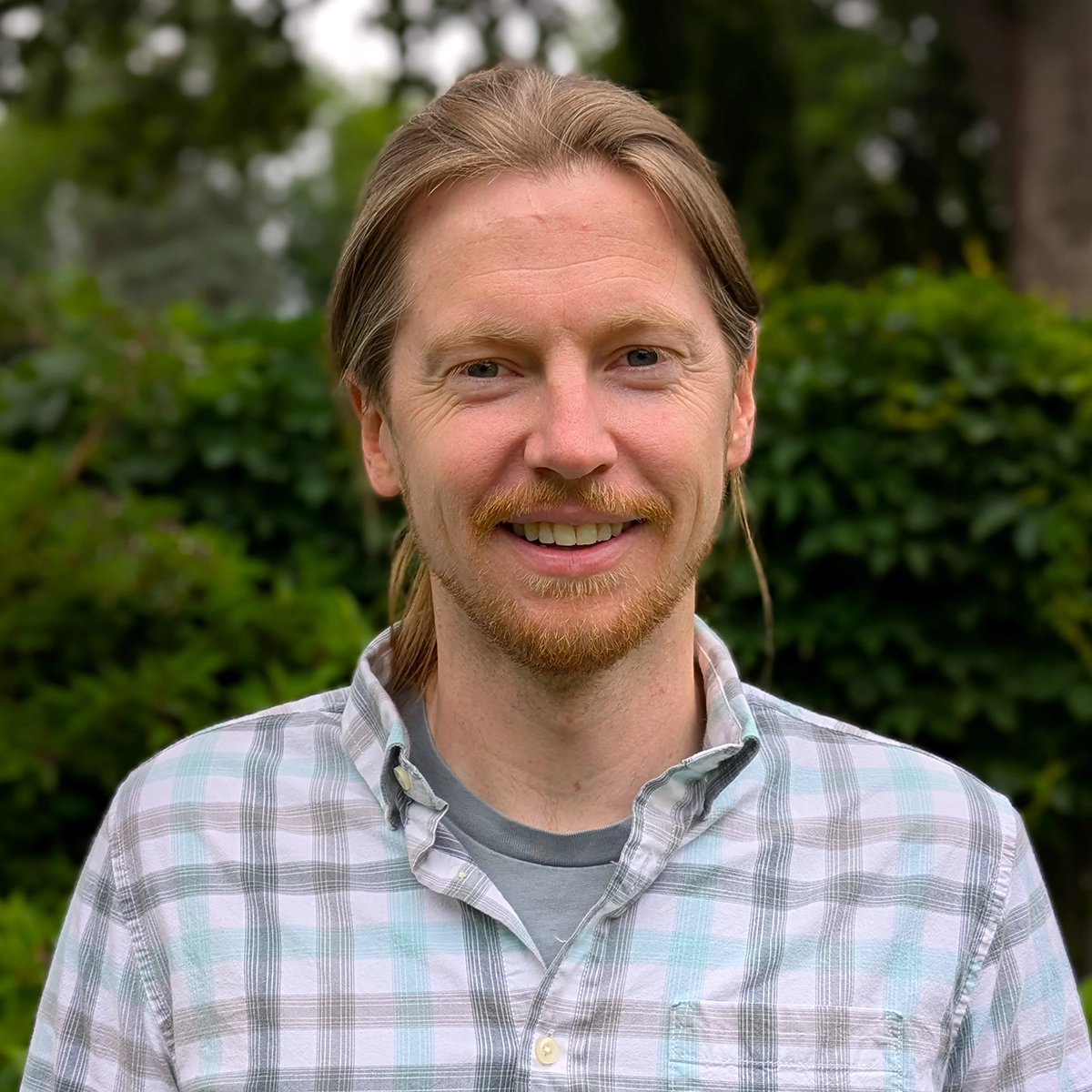
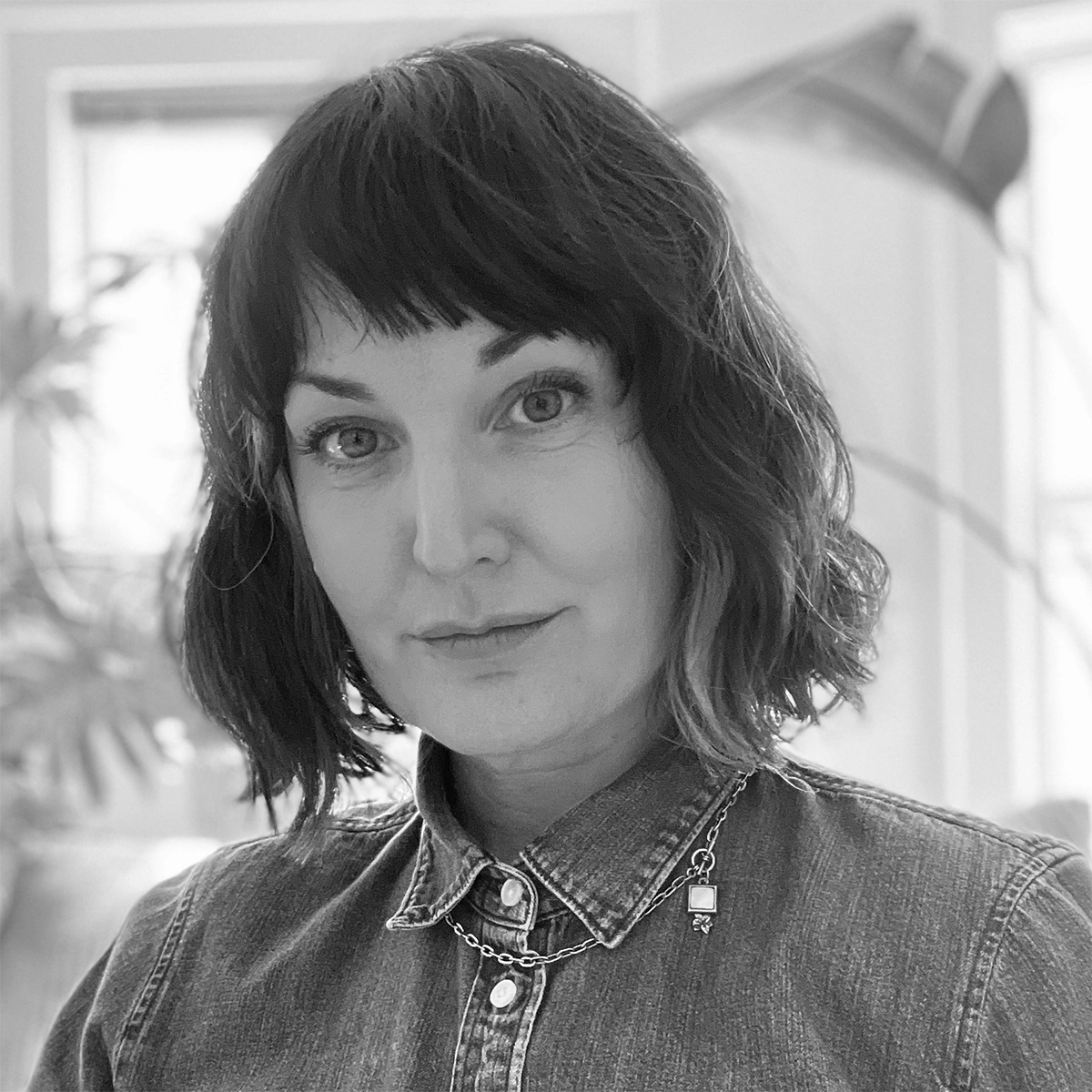
Meet Our Art Therapy Experts
Clinically trained therapists integrating art therapy into individualized care for children, adolescents, and adults navigating trauma, emotional distress, and conditions where creative expression supports the therapeutic process.
Specialties:
Specialties:

Specialties:
What to Expect From Treatment
The first thing most people want to know is whether they need to have any artistic ability. They do not. Art therapy is not about skill or output. Your therapist will make that clear from the beginning, and it is worth taking seriously, because the pressure to make something good is exactly the kind of thing that gets in the way of the process working.
Early sessions tend to focus on building comfort with the space and the materials, understanding what brought you in, and beginning to explore what kinds of creative expression feel most accessible. Some people gravitate toward drawing or painting. Others prefer working with clay, collage, or mixed media. The materials available are chosen intentionally, and your therapist will guide you toward what seems most clinically useful for where you are.
As sessions progress, the work tends to deepen. Images and objects that come up in art-making often carry meaning that becomes clearer over time, and the therapist helps track and reflect on that meaning in ways that connect to the broader goals of treatment. There is usually some verbal processing woven into sessions, though the balance between making and talking shifts depending on what is most useful at a given point.
Sessions are typically 50 minutes. Frequency depends on clinical need and personal preference. Art therapy works well as the primary modality for some people and as a complement to talk therapy for others. Your therapist will discuss what makes the most sense for your situation.
The Benefits of Art Therapy
Art therapy offers something that few other clinical approaches do, which is a way to access emotional material through a pathway that does not require verbal articulation as the starting point.
- Reaches what words sometimes cannot. The creative process can surface feelings, memories, and experiences that have been difficult or impossible to approach directly in conversation. For many people, this is exactly where the therapeutic work needs to happen.
- Grounded in clinical research. Art therapy is not a complementary or alternative treatment in the fringe sense. It is a credentialed mental health profession with a growing evidence base supporting its effectiveness across trauma, depression, anxiety, and a range of other presentations.
- Accessible across age groups. Because it does not rely primarily on verbal communication, art therapy is particularly well-suited to children and adolescents, as well as adults who find traditional talk therapy limiting for what they are carrying.
- Supports the whole person. Art-making engages the body, the senses, and the imagination alongside the mind. That broader engagement can support emotional processing and regulation in ways that feel qualitatively different from sitting and talking, and for some people, more complete.
Who This Treatment May Be Right For
- Find it difficult to articulate emotions or experiences verbally, even when they know something significant is present
- Have been through something difficult and feel that talking about it directly has not fully shifted it
- Are drawn to creative expression as a way of making sense of their inner world and want to explore that in a clinical context
- Are looking for a therapeutic approach that engages more than just language and cognitive processing
Ready to Take the Next Step?
Our team is here to answer your questions and help you figure out whether art therapy is a good fit for where you are right now. We see clients in Stillwater, Edina, and St. Anthony, and offer telehealth throughout Minnesota including Northeast Minneapolis, Roseville, and the broader Twin Cities metro. No artistic experience required, just a willingness to see what comes up.