

A compassionate, evidence-based approach to care
Parenting is one of the hardest things a person can do, and it is one of the areas where people are least likely to ask for help. There is a lot of pressure to already know what you are doing, to figure it out on your own, to not let anyone see that you are struggling. But the truth is that most parents hit walls at some point, moments where what they have been trying is not working, where they feel disconnected from their child, or where they are not sure how to respond to what is happening at home without making things worse.
Parenting therapy is not about being a bad parent. It is about wanting to do better and having a space to figure out how. At Vantage Mental Health, we work with parents and caregivers across Minnesota who are looking for practical support, clearer tools, and a better understanding of what their child needs and why. We offer parenting therapy in person at our clinics in Stillwater, Edina, and St. Anthony, with telehealth available throughout Minnesota.
Understanding Parenting Therapy
Parenting therapy is a structured form of support that focuses specifically on the parent-child relationship and the dynamics that shape it. It is different from individual therapy, where the focus is on the parent’s own mental health, and from child therapy, where the child is the primary client. Parenting therapy centers the relationship itself, and the goal is to help parents understand their child’s behavior more clearly, respond more effectively, and build a stronger connection over time.
Sessions draw on well-established frameworks from child development research, attachment theory, and behavioral approaches. A therapist might help a parent understand what is driving a particular behavior, what their own reactions are contributing to a dynamic, and what kinds of responses tend to escalate or de-escalate conflict. This is not about blame. It is about giving parents more information and more options, because most parenting struggles come down to one of two things: not fully understanding what is happening, or not yet having the tools to respond differently.
Parenting therapy is also distinct in that it often involves some degree of observation or discussion of real interactions, rather than just talking in the abstract. The goal is always to build skills that transfer into daily life at home, not just insight that stays in the therapy room.
Conditions Treated with Treament Name
Parenting therapy is relevant across a wide range of situations. It does not require a diagnosis or a crisis to be useful. Many parents come in simply because they want support navigating a particular stage or challenge that feels harder than they expected.
Common concerns addressed through parenting therapy include:
- Behavioral challenges in children including defiance, aggression, or frequent meltdowns
- Difficulty setting consistent limits and following through
- Parent-child conflict that feels stuck or repetitive
- Supporting a child with ADHD, anxiety, or other mental health concerns
- Parenting after separation or divorce, including co-parenting challenges
- Adjusting to a new sibling or significant family transition
- Concerns about a child's emotional development or social struggles
- Parental stress, burnout, or feeling disconnected from your child
- Navigating the particular challenges of parenting teens
- Blended family dynamics and step-parenting relationships
- Supporting a child through trauma or a difficult life event
Parenting therapy can also involve the child directly in some sessions, depending on the age of the child and what would be most useful. When appropriate, it complements child therapy or family therapy as part of a broader care plan.
Our Team
Meet Our Parenting Therapy Experts
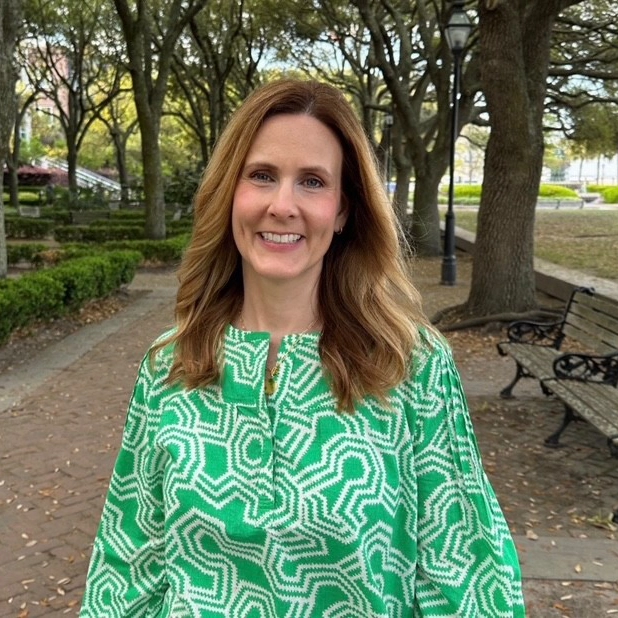
Licensed child and parent therapists with specialized experience supporting caregivers of young children through behavioral challenges, developmental concerns, and the everyday complexity of family life.
Specialties:

Specialties:

Specialties:

Specialties:

Specialties:

Specialties:

Specialties:

Specialties:


Specialties:

Specialties:
What to Expect From Treatment
The first session is a chance to talk through what is happening at home, what you have already tried, and what you are hoping to change. There is no expectation that you come in with the problem perfectly articulated. Many parents arrive knowing something is not working but not quite sure how to name it, and that is a completely reasonable place to start.
From there, sessions tend to focus on understanding specific situations or patterns that keep coming up, looking at what might be driving the child’s behavior, and working through how a parent might respond differently. Your therapist will offer practical tools and frameworks, but the approach is collaborative. You know your child and your family. The therapist brings clinical knowledge and outside perspective. Together, those two things tend to produce better results than either one alone.
Some parents attend individually. Others find it helpful to come as a couple, particularly when there are differences in approach that are contributing to the difficulty. Occasionally a therapist might invite the child to join a session to work on something specific together. The structure is flexible and shaped by what is most useful for your situation.
Sessions may occur weekly or every other week, depending on your needs and what is happening at home. Most parents notice meaningful shifts within a few months, though the timeline varies.
The Benefits of Parenting Therapy
Parenting therapy tends to create change that extends well beyond any single behavior or situation. When parents understand their child better and feel more confident in how they respond, the whole family system often shifts.
- Builds real-world skills. The tools developed in parenting therapy are designed for actual use at home, not just for the therapy session. Parents leave with specific strategies they can apply to the situations they are actually facing.
- Grounded in child development research. The approaches used at Vantage draw on evidence-based frameworks including attachment theory, behavioral parent training models, and child-centered approaches that have strong clinical support across a range of childhood presentations.
- Reduces family stress across the board. When parent-child dynamics improve, the ripple effect is significant. Less conflict at home affects everyone, including siblings, the co-parenting relationship, and the parent's own mental health.
- Prevents small problems from becoming bigger ones. Many parents come in early, before things have escalated significantly, and that is exactly the right time. Early support tends to produce faster results and reduces the chance that a manageable challenge becomes something more entrenched.
Who This Treatment May Be Right For
- Feel like you are reacting to your child in ways you do not like but cannot seem to stop
- Are navigating a specific behavioral or emotional challenge and are not sure how to handle it
- Want to feel more connected to your child and less like every interaction is a battle
- Are parenting a child with additional needs and want support understanding how to best respond to them
Ready to Take the Next Step?
Our team is here to answer your questions and connect you with the right support. We work with parents and families in Stillwater, Edina, and St. Anthony, and offer telehealth throughout Minnesota for those in Northeast Minneapolis, Roseville, and across the Twin Cities metro. Reaching out is a good first step, and we will take it from there with you.