Post Traumatic Stress Disorder (PTSD)

Healing from traumatic events with compassionate support.

A compassionate, evidence-based approach to care

At Vantage Mental Health, we provide trauma-informed, evidence-based care for individuals living with PTSD. Our clinicians understand that trauma affects people differently and that healing does not follow a single path or timeline.

Care is centered on safety, trust, and collaboration. We focus on helping individuals reduce distressing symptoms, improve daily functioning, and regain a sense of control, while respecting personal boundaries and readiness for treatment.

Understanding Post-Traumatic Stress Disorder (PTSD)

PTSD can develop after exposure to a traumatic event such as violence, serious injury, abuse, accidents, medical trauma, or other experiences that feel life-threatening or overwhelming. Not everyone who experiences trauma develops PTSD, but for some, symptoms persist and interfere with daily life.

PTSD involves changes in how the brain processes fear, memory, and stress. The nervous system may remain in a heightened state of alert, even in safe situations. These responses are not a sign of weakness; they are the body’s attempt to protect itself after trauma.

PTSD can affect children, adolescents, and adults, and symptoms may appear soon after the event or emerge months or years later.

Treatment Options We May Offer

Treatment for PTSD is individualized and based on clinical best practices. Depending on your needs, care may include:

Our goal is to reduce symptom severity while supporting long-term emotional stability and resilience.

Our Team

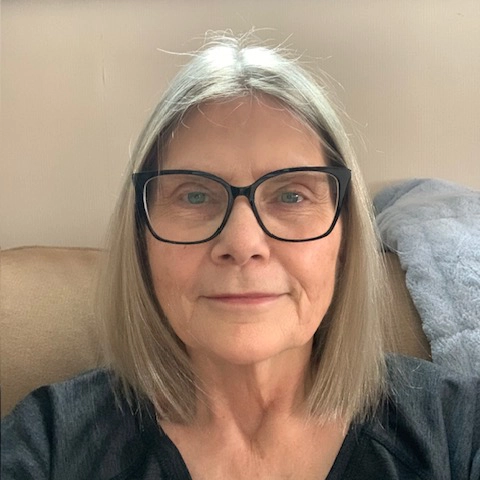
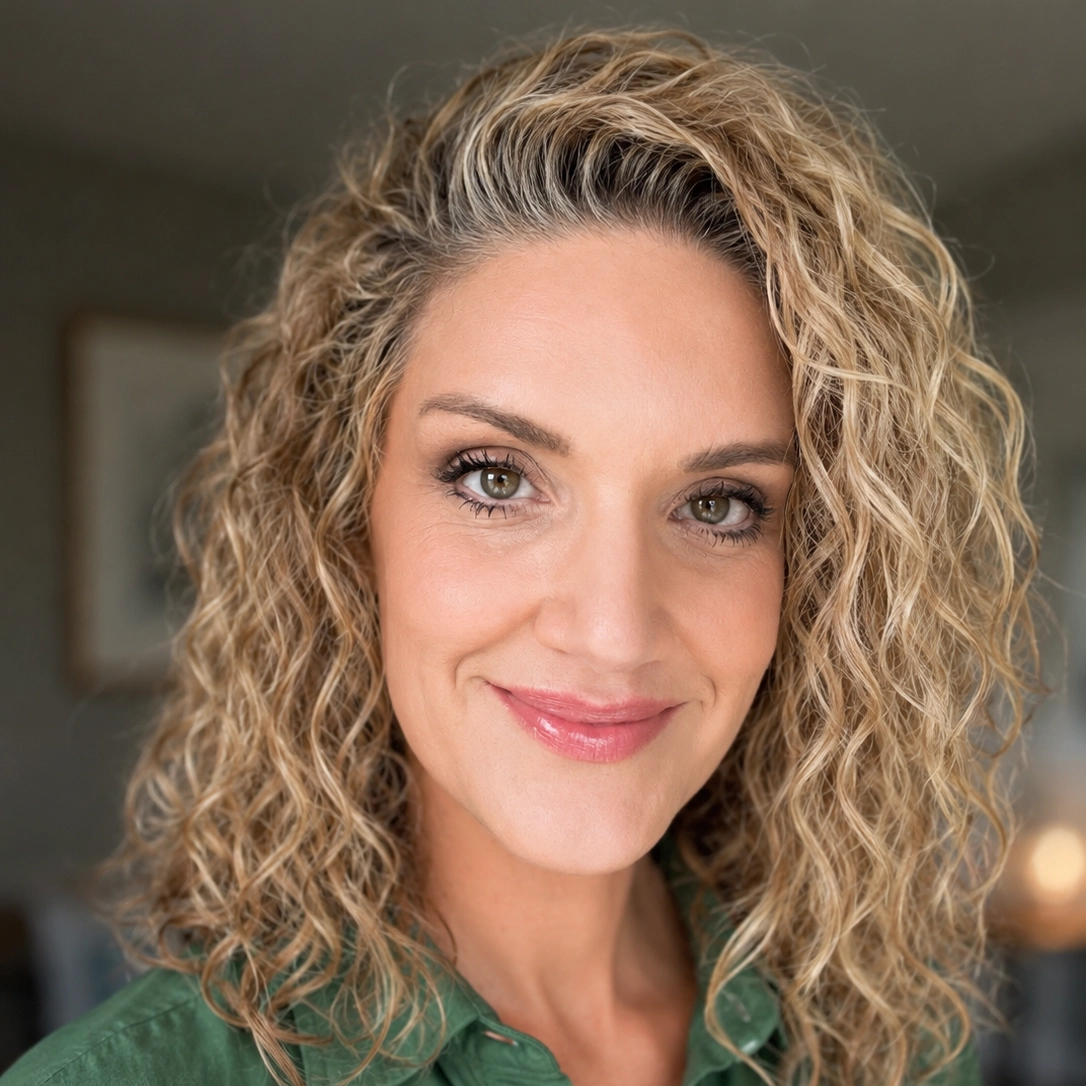
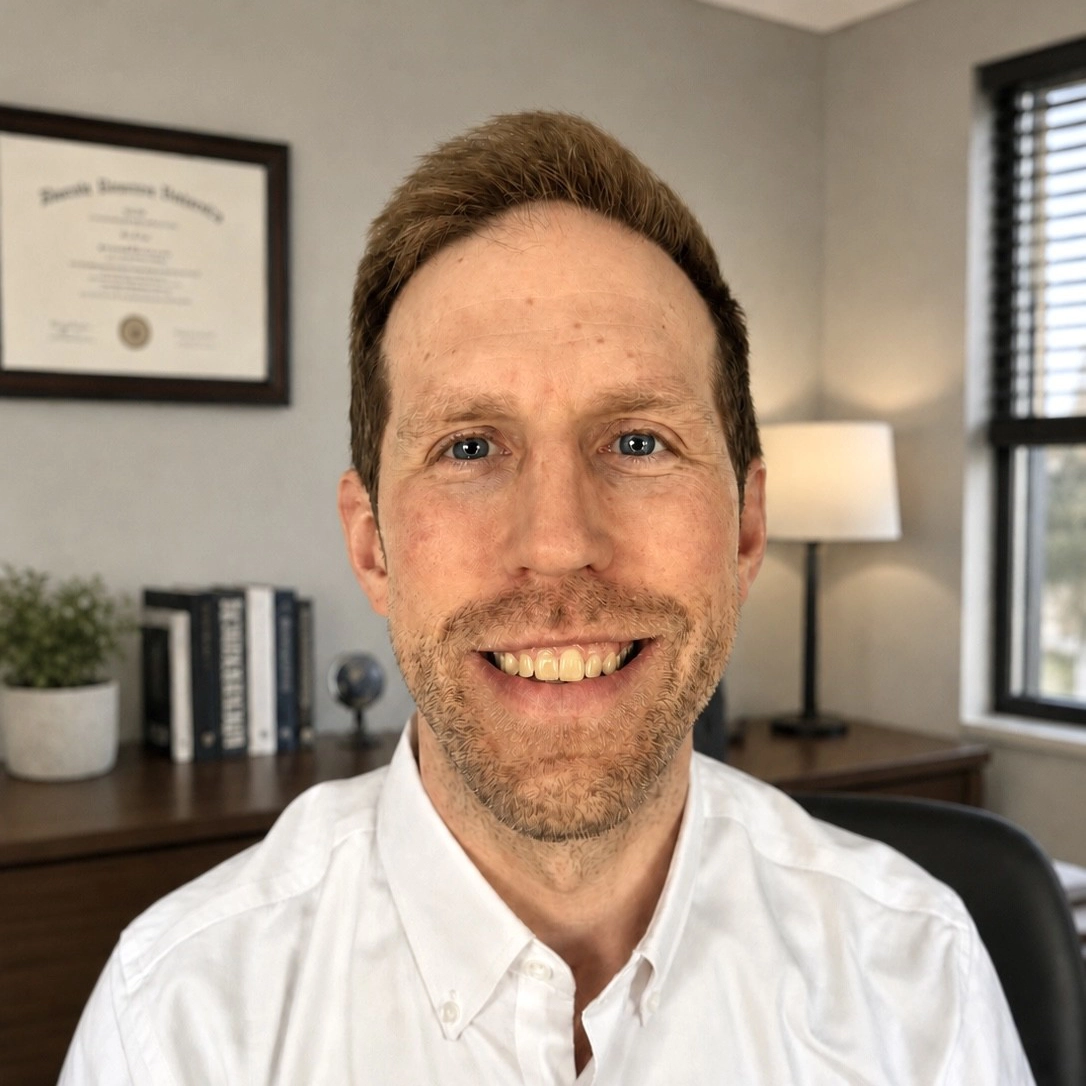
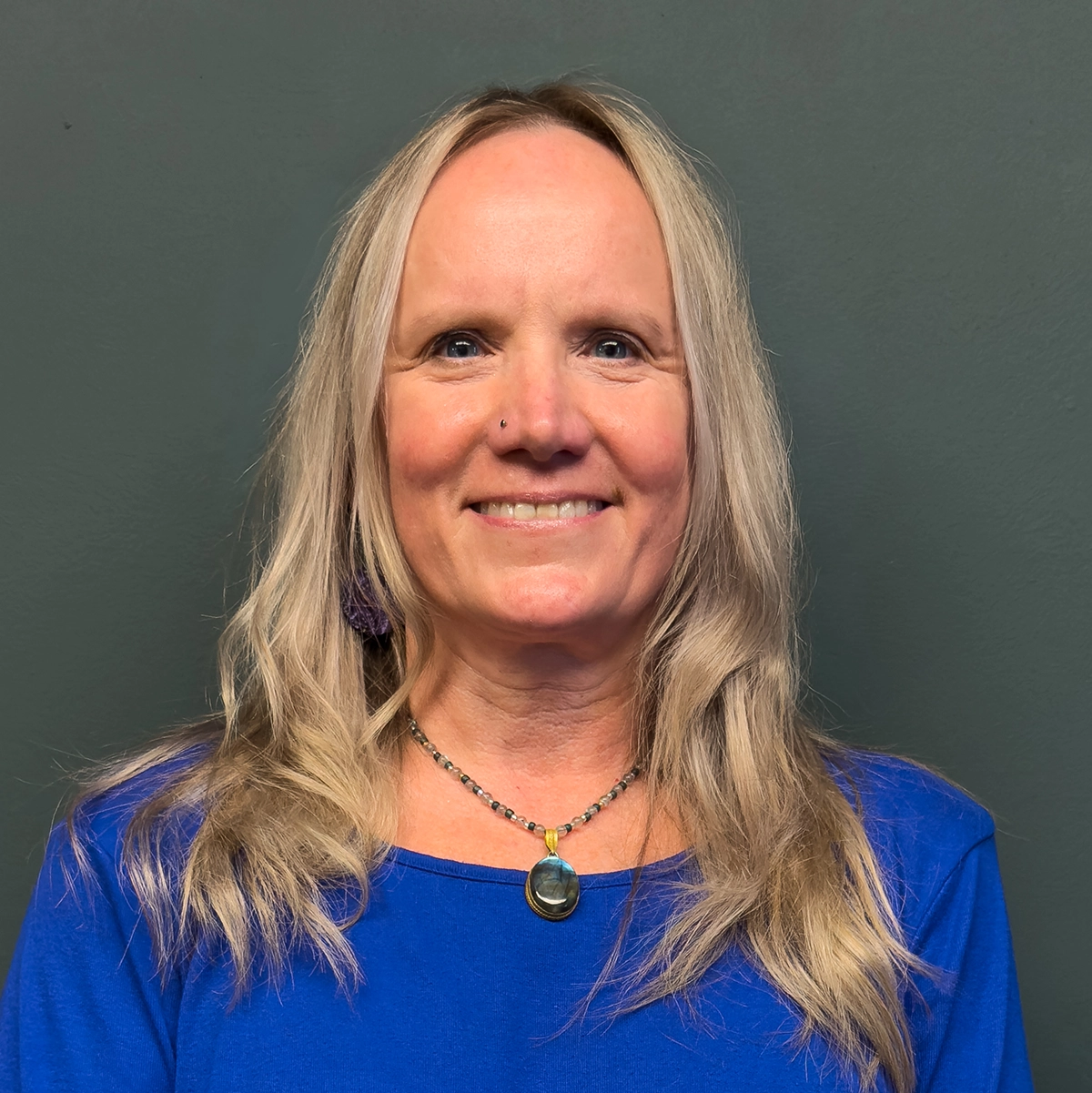
Meet Our Post Traumatic Stress Disorder (PTSD) Experts

Licensed mental health professionals experienced in trauma-informed care and the treatment of post-traumatic stress disorder.

Individual Therapist

Specialties:

Life Transitions, Trauma, Neurodivergence for adults and teens
Individual Therapist

Specialties:

Adults working with Internal Family Systems, EMDR and Brainspotting
Individual Therapist

Specialties:

Individualized therapy with focus on CBT and DBT
Individual Therapist

Specialties:

Culturally responsive care for individuals across diverse identities
Individual, Couples, and Family Therapist

Specialties:

Specializing in relationship difficulties, life transitions, trauma, EMDR, parenting support, maternal mental health, grief/loss, sexual addiction, and relational betrayal/infidelity.
Individual Therapist

Specialties:

Anxiety, depression, self identity, life transitions and stressors, and relationship/family dynamics.
Individual Therapist

Specialties:

Women’s mental health, depression, anxiety, ADHD, interpersonal conflict, self-esteem, grief and loss, and trauma with a focus on ART (Adults 18+)
Individual Therapist

Specialties:

Perinatal and Women’s Mental Health
Individual Therapist

Specialties:

Adolescents and Adults navigating anxiety, trauma and stressor-related disorders, maternal mental health, LGBTQ+ experiences, and complex family dynamics.
Individual & Couples Therapist

Specialties:

Adam works with adults, teens, and couples, with a particular focus on men’s mental health and relational wellbeing.
Individual Therapist

Specialties:

Self-identity, grief/loss, relationship building
Individual Therapist

Specialties:

Grief and loss, LGBTQ+, ADHD, Anxiety, Depression.
Individual & Couples Therapist

Specialties:

Trauma, Depression, Anxiety and Gender Diversity
Individual Therapist

Specialties:

Life transitions, trauma, hypnotherapy and relationships.
Child & Adolescent Psychiatrist

Specialties:

Child and Adolescent Psychiatry
Child and Parent Therapist

Specialties:

Child and family therapy for kids ages 0 to 12 specializing in parenting skills and behaviors.
Individual Therapist

Specialties:

Alicia specializes in individual therapy for adolescents (age 12+) and adults utilizing cognitive-behavioral, existential and person-centered approach as well as skills-based learning (CBT, DBT, mindfulness) to promote change.
Psychiatric Medication Management

Specialties:

Depression, Anxiety disorders, Bipolar disorder, PTSD, Schizophrenia.
Individual & Couples Therapist

Specialties:

Depression, Anxiety, Relationships, Chronic Illness, PTSD, ADHD, Life Transitions (Adults & Teens 14+).
Individual and Couples Therapist

Specialties:

Neurodivergence, LGBTQ+ (Queer/Trans affirming), Anxiety, Depression, Mood/Personality Disorders (BPD), Polyamory/Monogamy.
Individual Therapist

Specialties:

Children, Teens, and Adults with Depression, Anxiety, and Trauma.
Child, Adolescent & Adult Psychiatrist

Specialties:

Child, adolescent, and adult psychiatry; medication management.
Adult Psychiatric Medication Management

Specialties:

Adult medication management, holistic health pillars (diet, exercise, social support).
Adult Psychiatric Medication Management

Specialties:

Mood and anxiety disorders, ADHD, trauma, addiction, science-based lifestyle interventions (sleep, nutrition, nature).
Adult Psychiatric Medication Management

Specialties:

Personalized care plans, collaborative goal-setting, adult psychiatric support.
Child & Adolescent Psychiatrist

Specialties:

Neurodevelopmental disorders (Autism), mood/depressive disorders, anxiety disorders, ADHD.
Child, Adolescent, Adult & Addiction Psychiatrist

Specialties:

Diagnostic assessment, medication management, pediatric addiction (including buprenorphine), co-occurring treatment.
Child Therapist

Specialties:

Trauma, Anxiety, Depression, ADHD, OCD (ERP/CBT), Autism Spectrum Disorder (PEERS® certified), LGBTQI+ allyship.
Adult Psychiatric Medication Management

Specialties:

Adult psychiatric concerns, conservative medication management, non-pharmaceutical wellness strategies.

Our Approach to Treating PTSD

Our approach to treating PTSD is collaborative, trauma-informed, and individualized. Care begins with a thorough assessment to understand symptoms, trauma history, and current stressors. Treatment plans are developed carefully and adjusted over time based on progress, comfort, and goals.

Begin With Trauma-Informed Care

We connect individuals with clinicians experienced in treating trauma-related conditions. Care focuses on establishing safety, building trust, and understanding how trauma affects the nervous system.

01

Schedule Your Initial Appointment

During your first visit, we take time to listen, assess symptoms, and discuss treatment options at a pace that feels manageable. You will have the opportunity to meet your provider and ask questions before moving forward.

02

Ongoing Treatment and Support

PTSD treatment often unfolds gradually. We provide ongoing follow-up to monitor symptoms, adjust treatment as needed, and support long-term recovery and stability.

03

Common Symptoms and Experiences

Symptoms of PTSD can vary in intensity and presentation but may include:

These symptoms reflect changes in the brain’s stress response system and are treatable with appropriate care.

How This Condition Can Affect Daily Life

PTSD can impact work, relationships, physical health, and emotional well-being. Everyday situations may feel unsafe or overwhelming, leading to avoidance, exhaustion, or isolation.

Without support, symptoms may persist or worsen over time. With treatment, many individuals regain a greater sense of safety, emotional regulation, and engagement in daily life.

What to Expect From Treatment

Treatment for PTSD is focused on helping the nervous system regain balance and reducing trauma-related distress. Progress may occur gradually and does not require reliving traumatic experiences in detail unless clinically appropriate and carefully guided.

Care plans are reviewed regularly and adapted to support continued improvement and long-term recovery.

 

Who This Treatment May Be Right For

Take the Next Step Toward Support

If trauma-related symptoms are affecting your daily life, support is available. Our team will answer your questions, assess your needs, and guide you through next steps with clarity and compassion.