

A compassionate, evidence-based approach to care
Trauma has a way of staying with people longer than it should. Even after the event itself is over, the memory can keep showing up, in the body, in relationships, in the moments when something small triggers something much larger. At Vantage Mental Health, we work with people across Minnesota who are carrying that kind of weight, and we offer two approaches specifically designed to address it: Eye Movement Desensitization and Reprocessing, known as EMDR, and Accelerated Resolution Therapy, or ART.
Neither of these is traditional talk therapy. That distinction matters for a lot of people who have tried talking about what happened and found that it did not quite reach the place where the pain was actually living. EMDR and ART work differently. They work with how the brain stores and responds to distressing memory, and the goal is to change that response at a level that talking alone often cannot access.
We offer both in person at our clinics in Stillwater, Edina, and St. Anthony, and through telehealth for people throughout Minnesota who prefer to be seen from home.
Understanding EDMR and ART
EMDR has been around since the late 1980s, when psychologist Francine Shapiro first documented its effects on trauma symptoms. Since then it has been studied extensively, and it now carries first-line treatment recommendations from the World Health Organization, the American Psychological Association, and the Department of Veterans Affairs, among others. That level of clinical consensus is not common in mental health treatment, and it reflects decades of trial data from diverse populations.
The theory behind EMDR is that traumatic memories sometimes get stored in a way that keeps them emotionally raw. Instead of being processed and filed away like ordinary memories, they stay close to the surface, reactive, easily triggered, still attached to the fear or helplessness that was present when the experience first happened. EMDR uses bilateral stimulation, most often guided eye movements, to engage the brain’s natural processing mechanisms while a person holds a distressing memory in mind. The memory does not disappear. What changes is how the brain holds it. Over time, what felt urgent and overwhelming often becomes something a person can recall without the same level of distress.
ART works along similar lines but with some meaningful differences. Developed by therapist Laney Rosenzweig in 2008, it draws on elements of EMDR, cognitive behavioral principles, and a technique called voluntary image replacement, which allows people to consciously shift the mental imagery connected to a painful experience. Where EMDR can take a number of sessions to move through its structured phases, ART tends to produce results more quickly. Some people notice significant change in just a few sessions. Research published in peer-reviewed journals has documented reductions in PTSD, depression, and anxiety symptoms that are clinically meaningful, not just statistically modest.
What both approaches share is that they do not require a person to narrate their trauma in detail. For many people, that is the piece that makes the difference between engaging with treatment and avoiding it entirely.
Conditions Treated with EDMR and ART
EMDR and ART are primarily trauma-focused therapies, but their applications extend to a broader range of conditions involving distressing memories, anxiety, and emotional dysregulation. At Vantage, therapists draw on one or both approaches depending on each person’s presentation, preferences, and clinical needs.
Conditions commonly treated with EMDR and ART include:
- Post-traumatic stress disorder (PTSD)
- Complex or developmental trauma
- Childhood abuse or neglect
- Grief and loss
- Depression with a traumatic component
- Anxiety and panic
- Performance anxiety
- Low self-worth rooted in past experiences
- Attachment-related difficulties
- Traumatic medical events or medical anxiety
- First responder and occupational trauma
EMDR and ART can also be used alongside individual talk therapy or psychiatric medication when a more comprehensive treatment approach is clinically appropriate.
Our Team
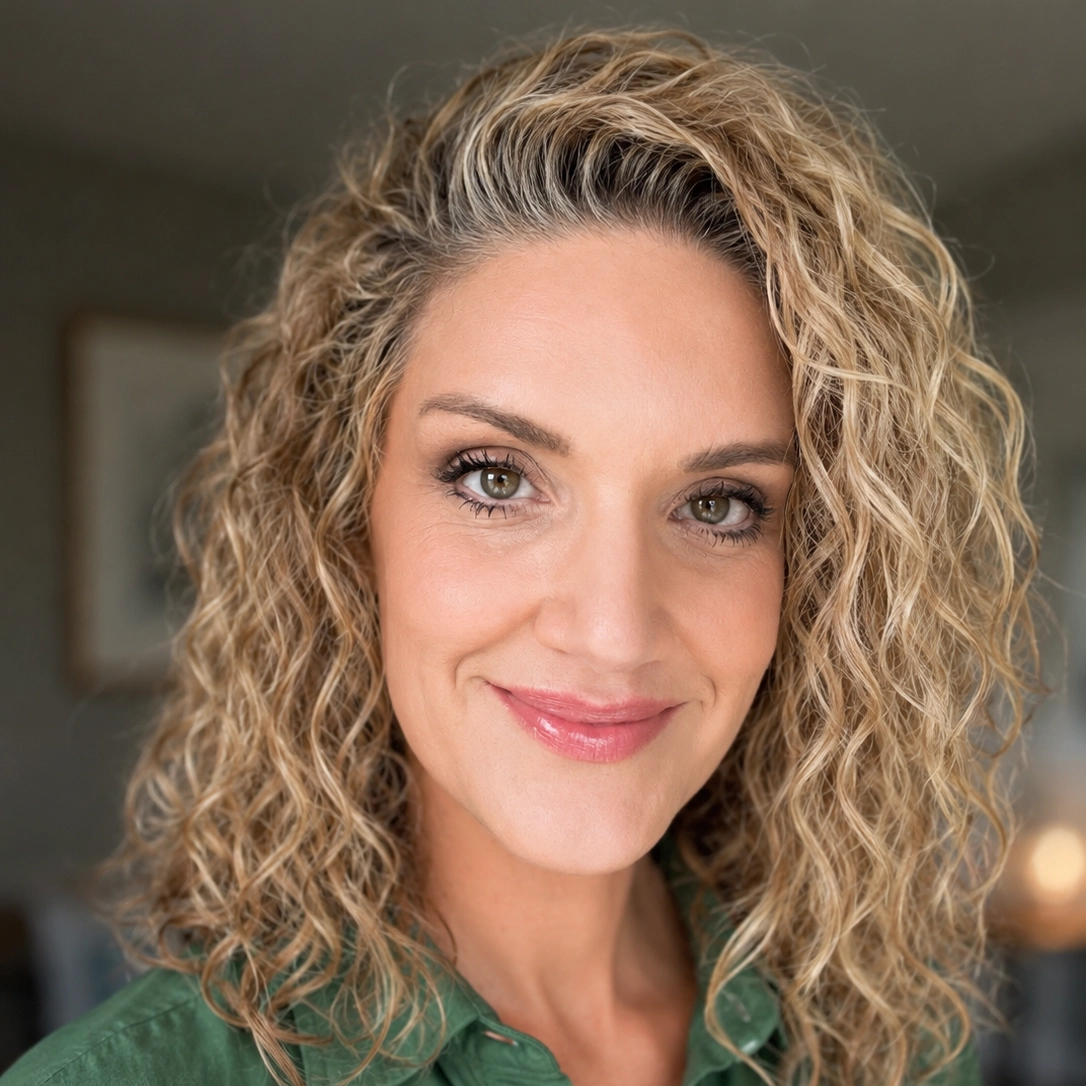
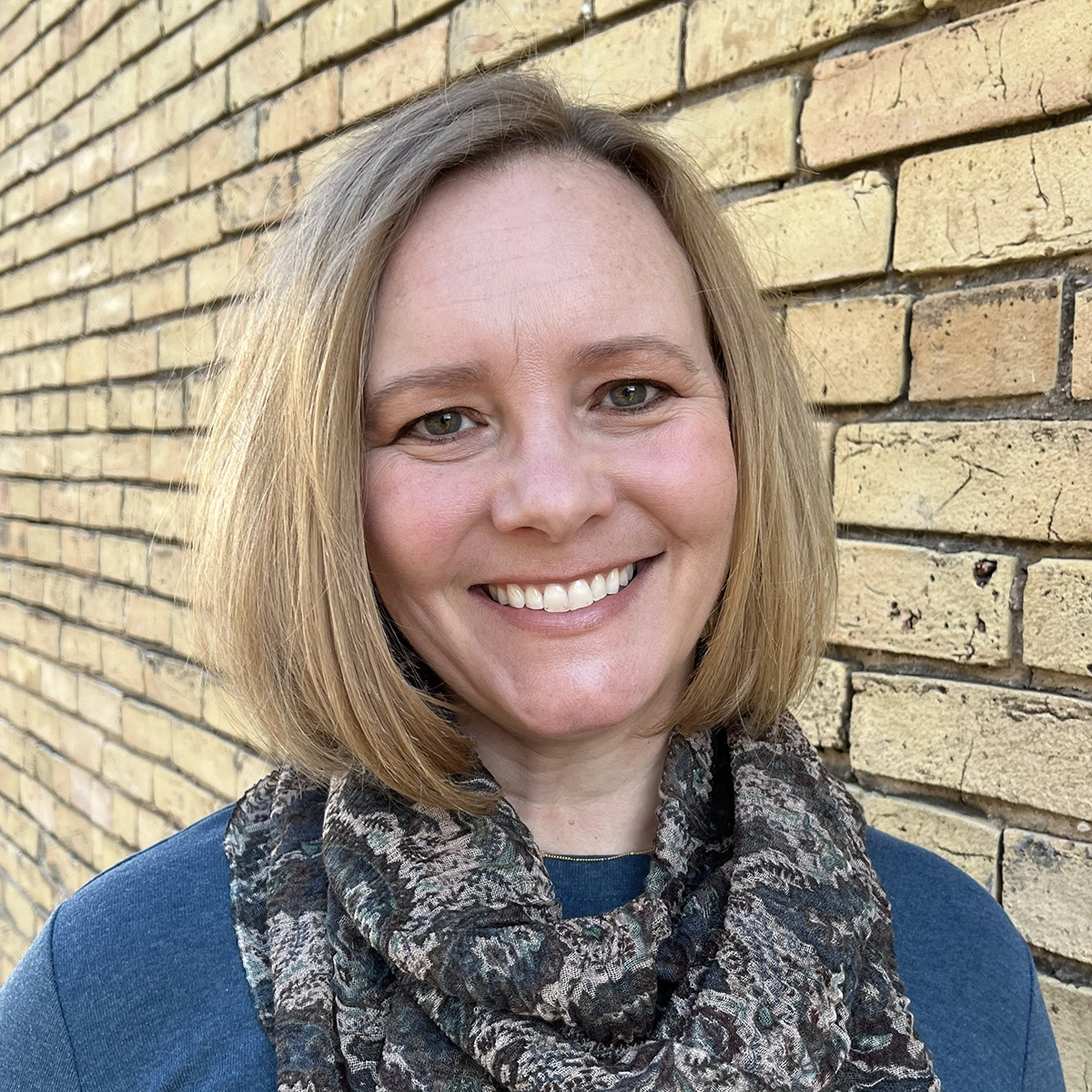
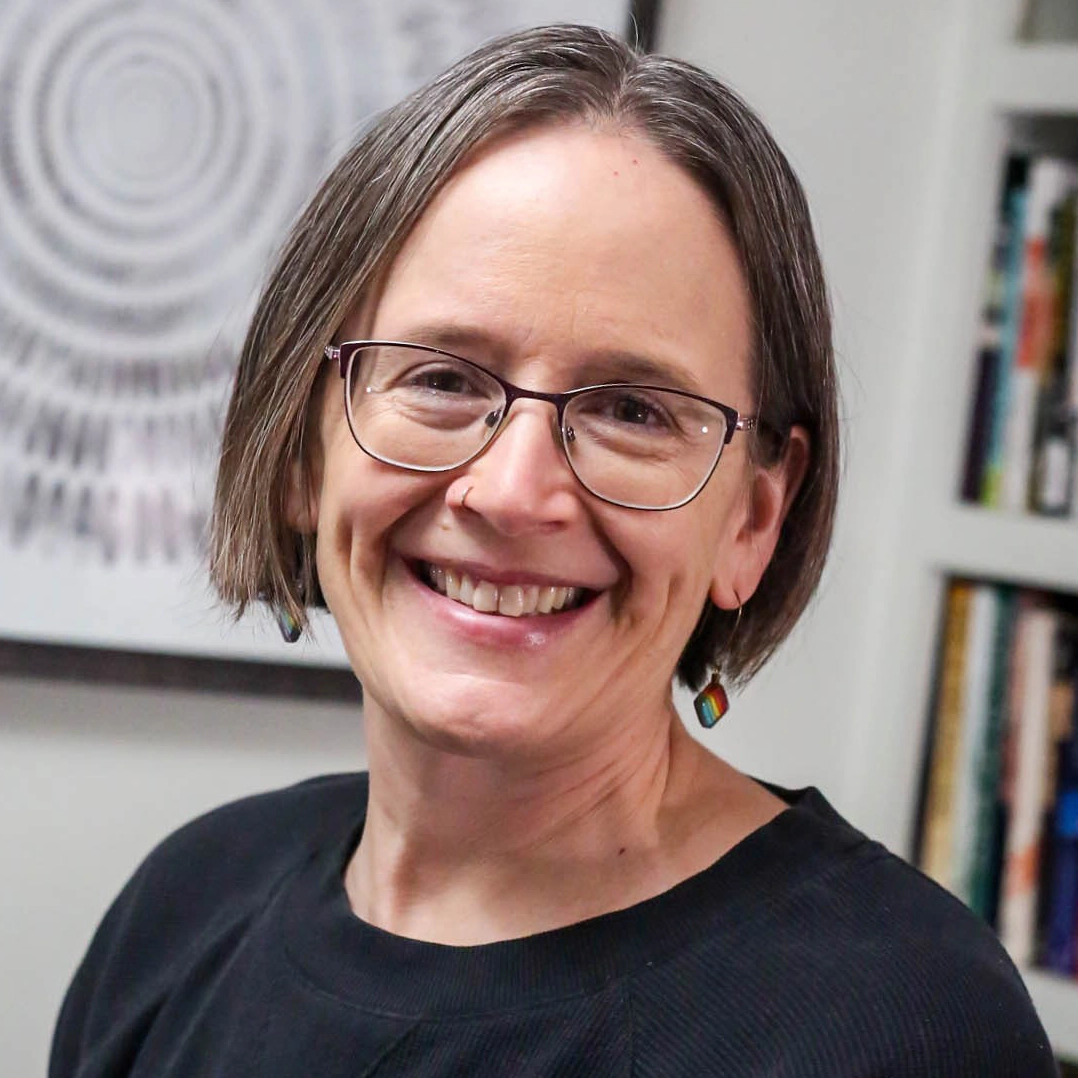
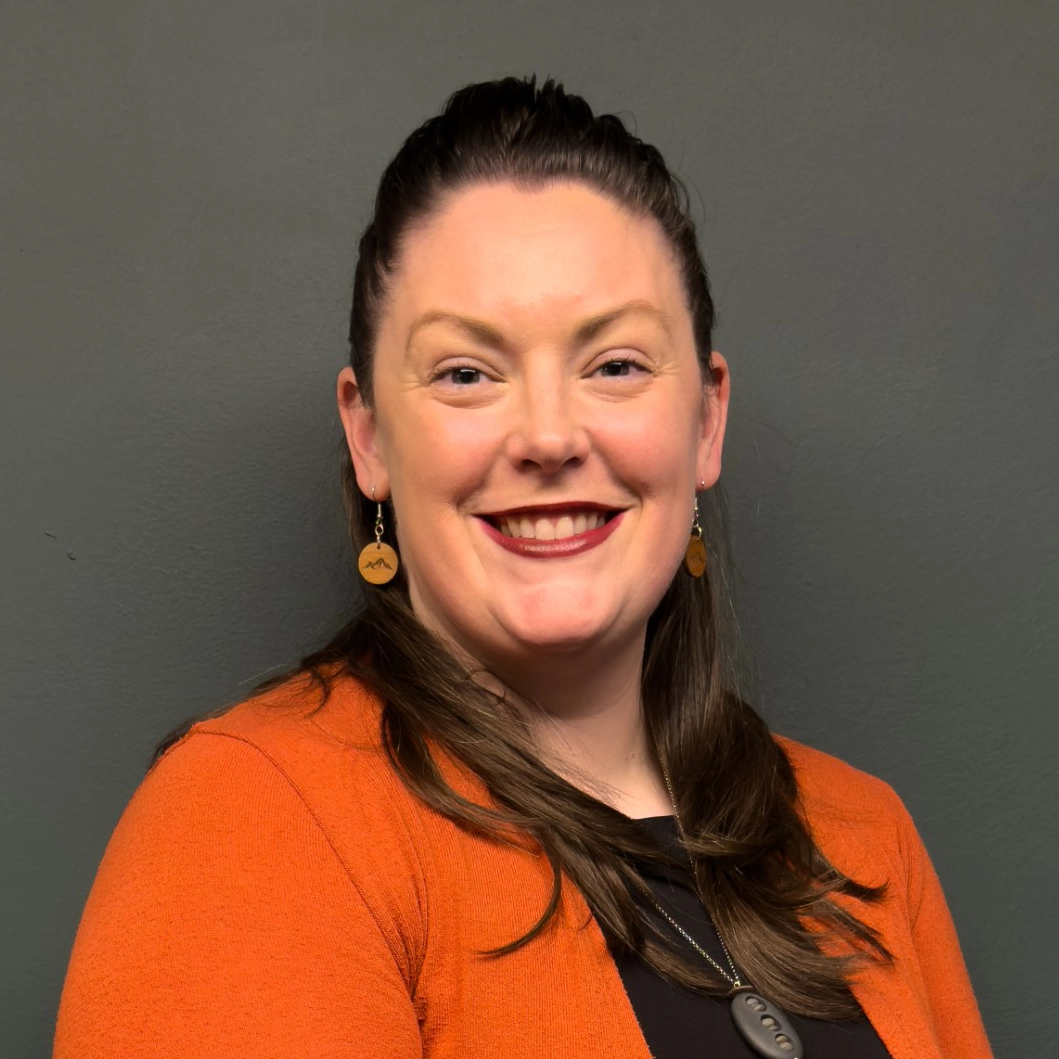
Meet Our EMDR and ART Experts
Licensed therapists trained in EMDR and ART, experienced in treating trauma, PTSD, and distressing life experiences across adults and teens.

Specialties:

Specialties:

Specialties:
Specialties:
Specialties:

Specialties:
Specialties:
What to Expect From Treatment
EMDR and ART sessions at Vantage are led by trained therapists who will guide the process carefully and at a pace that feels manageable. Before any reprocessing begins, your therapist will spend time building a clear understanding of your history, your goals, and what feels safe. This preparation phase is an important part of how both approaches work, and no one is moved into reprocessing before they are ready.
During sessions, your therapist will guide you through bilateral stimulation using eye movements or other techniques while you hold a distressing memory or image in mind. Rather than talking through every detail, the focus is on what you are noticing in your body and mind as the process unfolds. Many people find that memories shift naturally during this process, becoming less vivid, less emotionally charged, and easier to hold.
EMDR typically ranges from 8 to 12 or more sessions depending on the complexity of what is being addressed. ART is often shorter, with many people experiencing meaningful change in as few as 1 to 5 sessions, though this varies by individual and the nature of the material being processed.
The Benefits of EDMR and ART
Both therapies offer a path through trauma that does not require reliving it in detail.
- Does not require extensive verbal processing. EMDR and ART work through the nervous system, not primarily through talking. This makes them well-suited for people who find it difficult or retraumatizing to discuss what happened in detail.
- Supported by strong clinical evidence. EMDR has been validated in hundreds of clinical trials and is endorsed by major international health organizations. ART has growing peer-reviewed support, with studies showing significant reductions in PTSD, depression, and anxiety symptoms.
- Can produce lasting change. Both approaches aim to change how a memory is stored neurologically, not just how a person thinks about it, which research suggests leads to more durable relief.
- Effective across a wide range of experiences. Whether trauma is the result of a single event or has accumulated over years, EMDR and ART are adaptable to different presentations and levels of complexity.
Who This Treatment May Be Right For
- Have experienced a traumatic event, loss, or prolonged distressing circumstances
- Struggle with intrusive memories, flashbacks, or emotional reactivity tied to past experiences
- Feel stuck in anxiety, depression, or shame that seems rooted in something specific
- Have tried talk therapy and feel that something has not fully resolved
- Want to work through difficult experiences without having to describe them in extensive detail
- Are looking for a structured, evidence-based approach to trauma that is grounded in how the brain and nervous system work
Ready to Take the Next Step?
Our specialized team is here to answer your questions and match you with the right therapist for your unique needs. We see clients in Stillwater, Edina, and St. Anthony, and offer telehealth services throughout Minnesota, including Northeast Minneapolis, Roseville, and the broader Twin Cities metro.