A skills-based therapy that helps people manage intense emotions, improve relationships, and build a life that feels more stable and sustainable.
A compassionate, evidence-based approach to care
At Vantage Mental Health, we offer Dialectical Behavior Therapy as part of individualized care for adults, teens, and young people across Minnesota. DBT is one of the most rigorously studied forms of psychotherapy available, with a strong evidence base supporting its effectiveness for people who experience intense emotions, unstable relationships, or patterns of behavior that feel difficult to control.
Our therapists use DBT in a way that is structured, practical, and grounded in genuine care for each person’s experience. The approach is built on the balance between two ideas that might seem to be in tension: accepting yourself as you are right now, while also working toward meaningful change. We offer in-person DBT at our clinics in Stillwater, Edina, and St. Anthony, with telehealth available throughout Minnesota for those who prefer to be seen from home.
Dialectical Behavior Therapy was developed by psychologist Marsha Linehan in the late 1980s, originally as a treatment for people with borderline personality disorder who experienced chronic suicidal thoughts and self-harm. Since then, extensive research has expanded its use to a wide range of conditions involving emotional dysregulation, impulsive behavior, and interpersonal difficulty.
The word “dialectical” refers to the core tension at the heart of DBT: the balance between acceptance and change. Rather than pushing people to simply think differently or try harder, DBT teaches concrete skills across four areas: mindfulness, distress tolerance, emotion regulation, and interpersonal effectiveness. These are not abstract concepts. They are practical tools people can use in real situations, in real time, when emotions feel overwhelming and choices feel limited. DBT is recognized as an evidence-based treatment by the American Psychological Association and the Substance Abuse and Mental Health Services Administration.
Conditions Treated with DBT
DBT was designed specifically for people whose emotional experiences are intense and whose distress often feels unmanageable in the moment. At Vantage, it is used to treat a range of conditions where skills-based emotional and behavioral support is clinically indicated.
Conditions commonly treated with DBT include:
Borderline personality disorder (BPD)
Chronic suicidal ideation or self-harming behavior
Depression, particularly when emotional dysregulation is present
Post-traumatic stress disorder (PTSD)
Eating disorders, including binge eating and bulimia
Substance use and related behavioral patterns
Anxiety with significant emotional intensity
Attention-deficit/hyperactivity disorder (ADHD)
DBT is also frequently used alongside psychiatric medication when a combined approach is clinically appropriate. For many conditions involving emotional dysregulation, research supports the combination of skills-based therapy and medication management as producing stronger outcomes than either approach on its own.
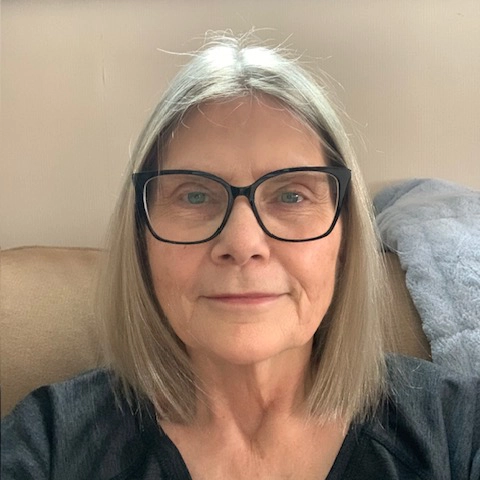
Licensed therapists experienced in delivering Dialectical Behavior Therapy for emotional dysregulation, personality disorders, trauma, and related conditions across all age groups.
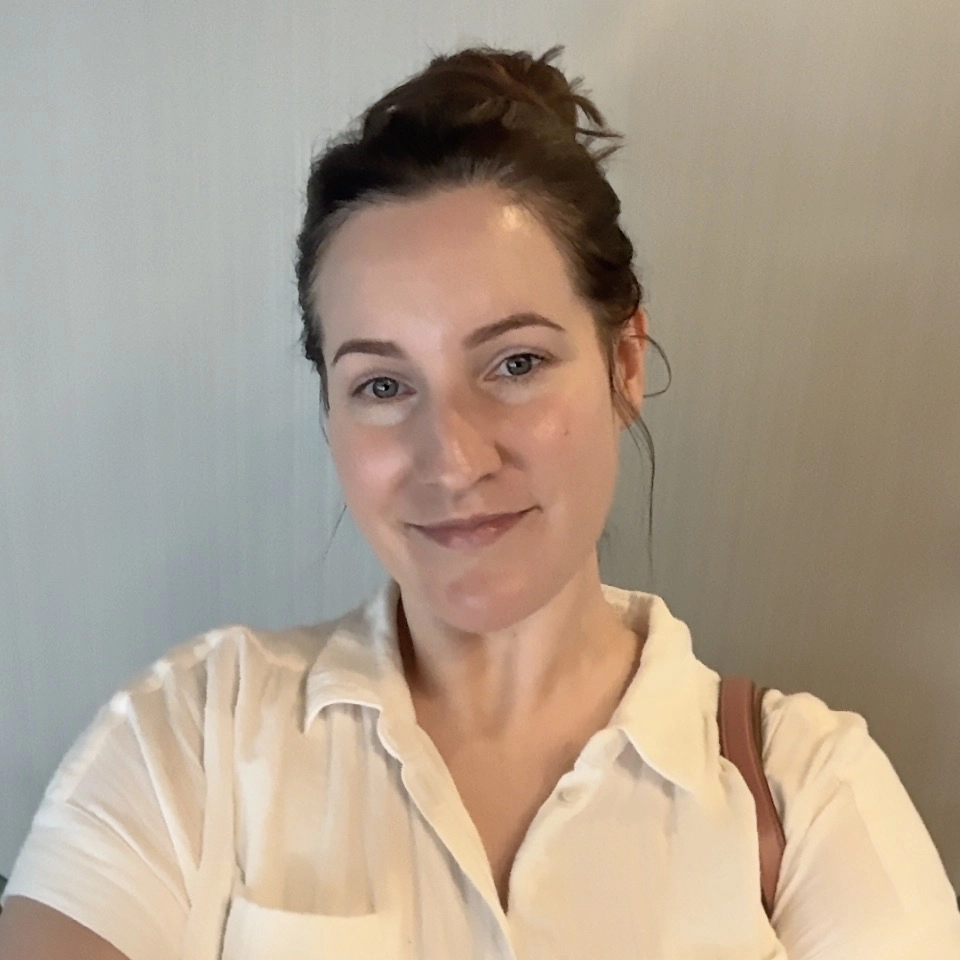
Individual Therapist specializing in using a combination of modalities to help clients expand their insight and fill their toolbox with the methods that work for them
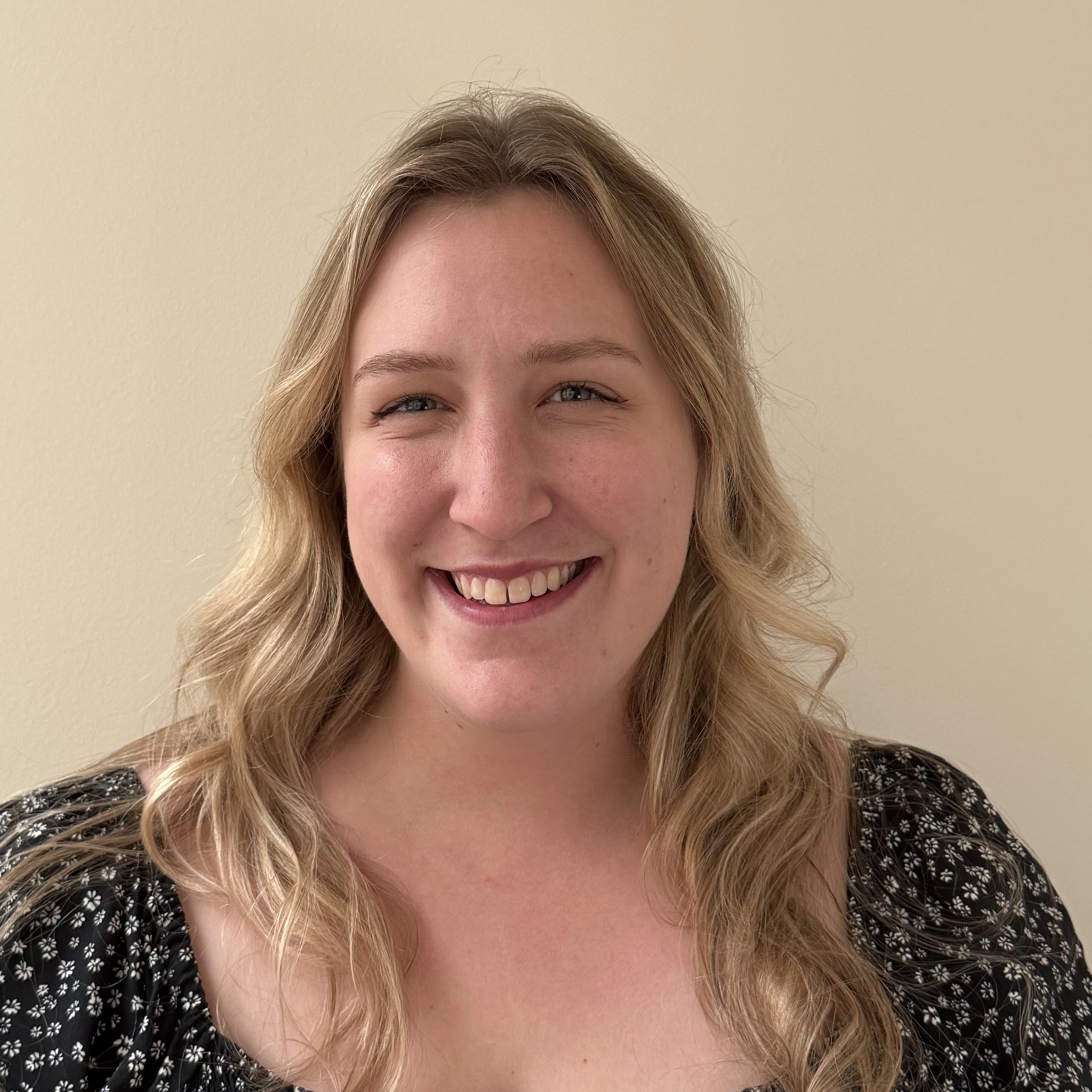
Specializing in relationship difficulties, life transitions, trauma, EMDR, parenting support, maternal mental health, grief/loss, sexual addiction, and relational betrayal/infidelity.
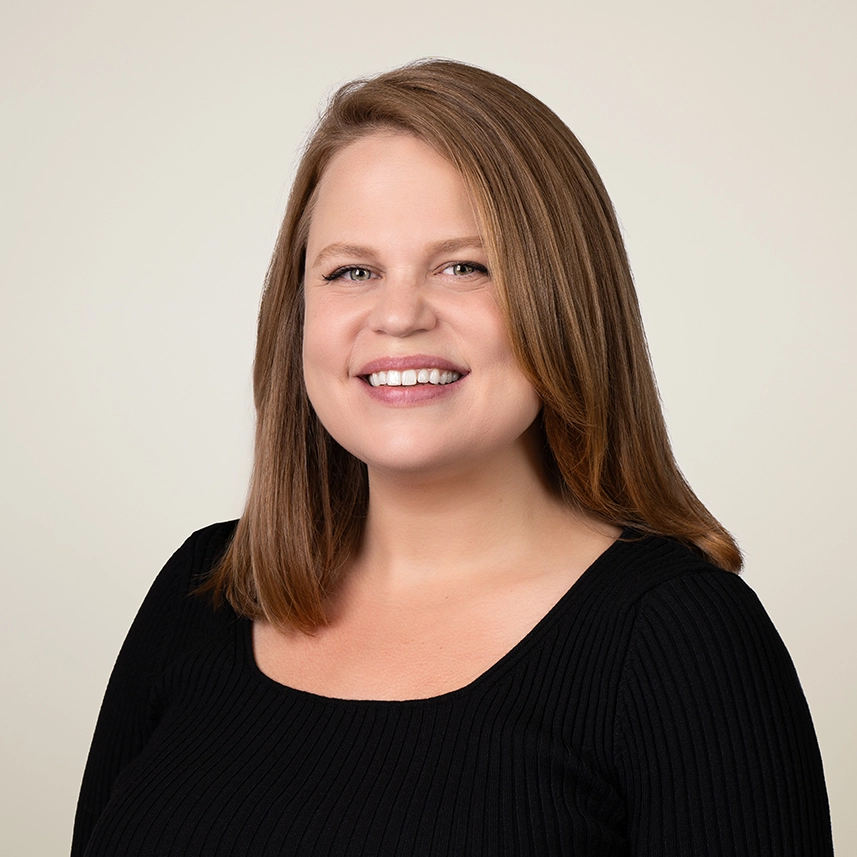
Alicia specializes in individual therapy for adolescents (age 12+) and adults utilizing cognitive-behavioral, existential and person-centered approach as well as skills-based learning (CBT, DBT, mindfulness) to promote change.
DBT at Vantage is delivered through individual therapy sessions focused on your specific goals, patterns, and current challenges. Your therapist will work with you to understand what is driving your distress, identify which DBT skills are most relevant to your situation, and practice applying them to real moments in your life.
A core feature of DBT is that skills are meant to be used between sessions, not just discussed during them. Your therapist will support you in building a practical toolkit across the four DBT skill areas: staying grounded in the present moment through mindfulness, tolerating difficult situations without making them worse, understanding and managing emotional responses, and navigating relationships more effectively. Treatment length varies based on individual need, but DBT is often delivered over a longer period than standard CBT, reflecting the depth and complexity of what it addresses.
The Benefits of DBT
DBT offers concrete, lasting skills that help people navigate their lives with greater stability and self-awareness.
Teaches real-world skills. DBT's four skill modules give people specific, practiced tools for managing emotions and relationships in daily life, not just in a therapy session.
Grounded in decades of research. DBT has one of the strongest evidence bases in mental health treatment, particularly for conditions involving emotional intensity, self-harm, and interpersonal difficulty.
Balances acceptance and change. Unlike approaches that focus only on changing thoughts or behaviors, DBT acknowledges that a person's pain is real and valid while also building toward meaningful progress.
Effective for complex presentations. DBT was designed for people whose distress is intense and whose previous treatment may not have been enough. It is built for complexity, not simple cases.
Who This Treatment May Be Right For
Experience emotions that feel intense, overwhelming, or hard to recover from
Struggle with self-harming behavior or recurrent thoughts of suicide
Find relationships frequently strained by conflict, fear of abandonment, or difficulty communicating needs
Notice impulsive behaviors that are hard to control in moments of distress
Have a diagnosis of borderline personality disorder or emotional dysregulation
Have tried other forms of therapy without feeling fully supported
Are looking for a skills-based approach that takes their experience seriously
Our specialized team is here to answer your questions and match you with the right therapist for your unique needs. We see clients in Stillwater, Edina, and St. Anthony, and offer telehealth DBT services throughout Minnesota including Northeast Minneapolis, Roseville, and the broader Twin Cities metro.